
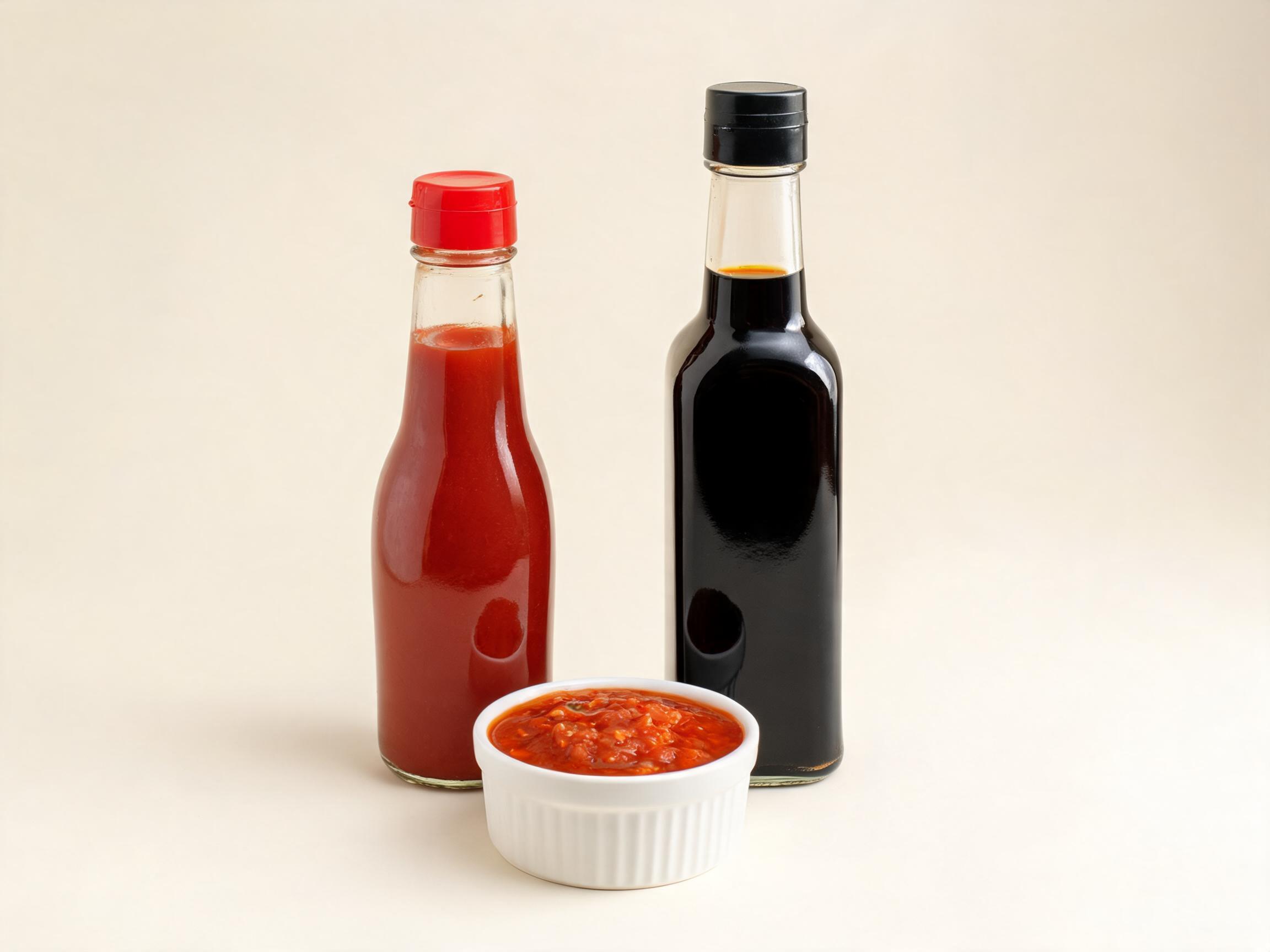
Tomato Ketchup Export Guide: Comparing Suppliers on the Same Basis
Why tomato ketchup quotes are hard to compare, which product properties to fix first, and how pack format changes both the price and the production line.
Which tomato ketchup pack format fits your market?
Select the pack format your buyers use most often. The guidance below lists the product details to confirm before you compare prices.
Confirm bottle size, closure type, net weight and the labelling requirements of your destination market.
Send this requirementWhat to verify before you compare ketchup quotes
- Product specificationRequest the tomato solids, sugar level and viscosity the supplier works to for this product.
- Pack format confirmationConfirm bottle or pouch type, net weight, closure and carton configuration.
- Labelling reviewConfirm the labelling requirements of your destination market and who prepares the artwork.
- Commercial termsConfirm minimum order quantity, lead time, Incoterm and inspection arrangement in writing.
Tomato ketchup is one of the most widely traded condiments, and it is also one of the easiest to buy badly. Two suppliers can quote the same pack size and deliver products that behave differently in the kitchen. This page explains what to pin down before you compare prices.
Why ketchup quotes are hard to compare
Ketchup is defined by a small number of properties that buyers rarely state explicitly: the tomato solids content, the sugar level, the viscosity and the pack format. When those are left open, each supplier quotes a different product and the prices are not comparable. Fixing them first turns a vague comparison into a real one.
Tomato solids
Determines body and how much tomato character the sauce carries. Ask for the figure the supplier works to for this product.
Sugar level
Sweetness varies widely between markets. State your target and confirm whether a reduced-sugar version is available.
Viscosity
Affects how the sauce pours and how it performs on a plate or in a sachet. Confirm the target for your application.
Pack format
Glass bottle, PET bottle, pouch or sachet. Each format changes the filling line, the shelf behaviour and the unit cost.
Pack formats and where they are used
Retail buyers usually want a bottle or a pouch in a size their shoppers recognise. Foodservice buyers often want a larger pack or portion sachets. The format decision comes before the price negotiation, because it determines which production line the order runs on.
What to confirm in writing
- The exact pack format, net weight and closure type.
- The tomato solids, sugar level and viscosity the supplier will work to.
- The labelling requirements of your destination market and who prepares the artwork.
- The minimum order quantity for that specific format.
- Production lead time, Incoterm and the inspection arrangement.
Questions buyers ask before ordering
Can I get a reduced-sugar or no-added-sugar version?
This depends on what the supplier can produce for your market. State the requirement and confirm availability and the minimum order quantity for that version.
Can the sauce be packed under my own brand?
Confirm pack size, artwork responsibility, labelling requirements for your destination market and the minimum order quantity for branded packaging.
How should I evaluate a sample?
Assess colour, aroma, body, sweetness and how the sauce behaves in your intended use. Record your findings and keep the sample as a reference.
What documents should I request?
List what your market requires and confirm in writing which documents the supplier can issue for this product. Do not assume a fixed set.
Send your tomato ketchup requirement
Tell us the pack format, net weight, target sugar level and your destination market. We will review the requirement and confirm what we can produce for your program.
Request a tomato ketchup quote